

From Field to Fabric: Saffron Waste Finds a High-Value Future in Cotton Finishing
.webp)
Share Post
In a breakthrough that blends sustainability with material science, Iranian researchers have found a novel use for saffron waste transforming discarded petals and stamens into an eco-friendly finishing solution for cotton textiles. Instead of relying on conventional chemical reducers and stabilisers, the research team used bio-waste from Crocus sativus as the sole functional ingredient in a lab-scale green finishing process.
This approach not only gives agricultural residue a second life but also addresses growing concerns over energy-intensive and chemical-heavy textile finishing practices. By valorising what was once farm waste, the process creates a meaningful link between agriculture and sustainable textile manufacturing.
Green Chemistry Meets Nanotechnology
At the core of the innovation is the in-situ formation of palladium–platinum (Pd/Pt) bimetallic nanoparticles directly on cotton fabric. Extracts from saffron petals and stamens act simultaneously as reducing and stabilising agents, eliminating the need for synthetic chemicals typically used in nanoparticle synthesis. Key highlights of the process include:
- Use of saffron bio-waste as a natural reducing agent
- Lower energy consumption compared to conventional finishing routes
- Avoidance of toxic chemicals and auxiliary agents
- Uniform deposition of Pd/Pt nanoparticles on cotton fibres
The result is a dual-function finish that aligns with green chemistry principles while maintaining technical effectiveness.
Durable Antibacterial Performance with Sustainable Appeal
Beyond sustainability, the finished cotton demonstrated durable antibacterial properties, making it suitable for hygiene-sensitive applications such as medical textiles, apparel, and home furnishings. The researchers claim that the nanoparticle finish retains its functional performance over use, suggesting strong bonding between the cotton substrate and the bio-synthesised nanoparticles.
While the work remains at a laboratory scale, it opens the door to scalable, bio-based textile finishes that reduce environmental impact without compromising performance. As the global textile industry searches for cleaner production models, innovations like this highlight how waste valorisation and advanced materials can together redefine the future of cotton finishing where sustainability is engineered, not added later.
12:36 PM, Feb 03
.webp)
.webp)
.webp)

Industry Update
1.webp)
1.webp)
1.webp)

1.webp)



1.webp)


1.webp)
1.webp)
.webp)


1.webp)


1.webp)

1.webp)

1.webp)


1.webp)


1.webp)
1.webp)
1.webp)


Kolkata Set to Become Textile Sourcing Hub as YARNEX and TEXINDIA Return in January 2026...view more
1.webp)
1.webp)

1.webp)


1.webp)


1.webp)
1.webp)
1.webp)


1.webp)
1.webp)
1.webp)

1.webp)


1.webp)


1.webp)
1.webp)


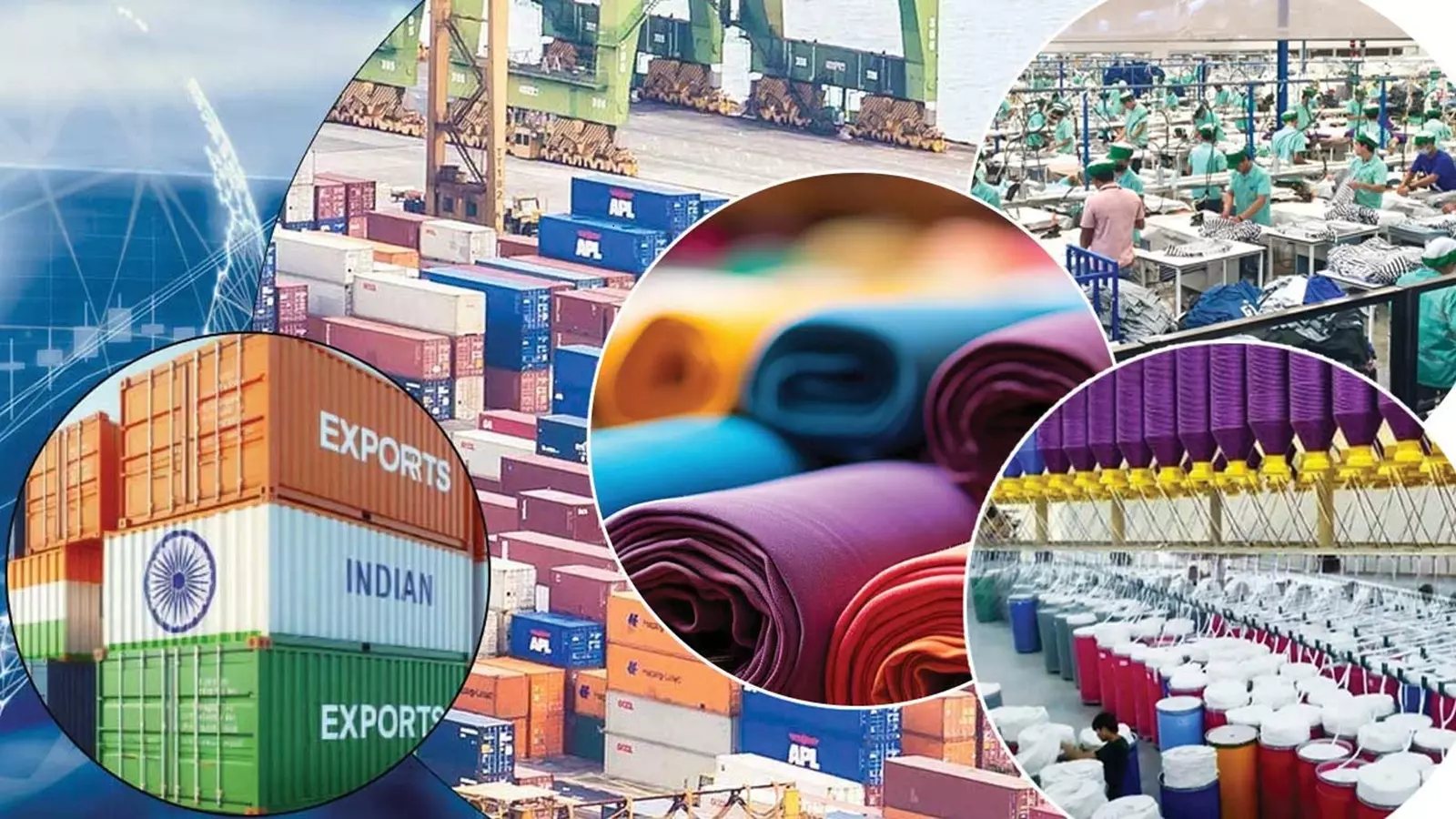
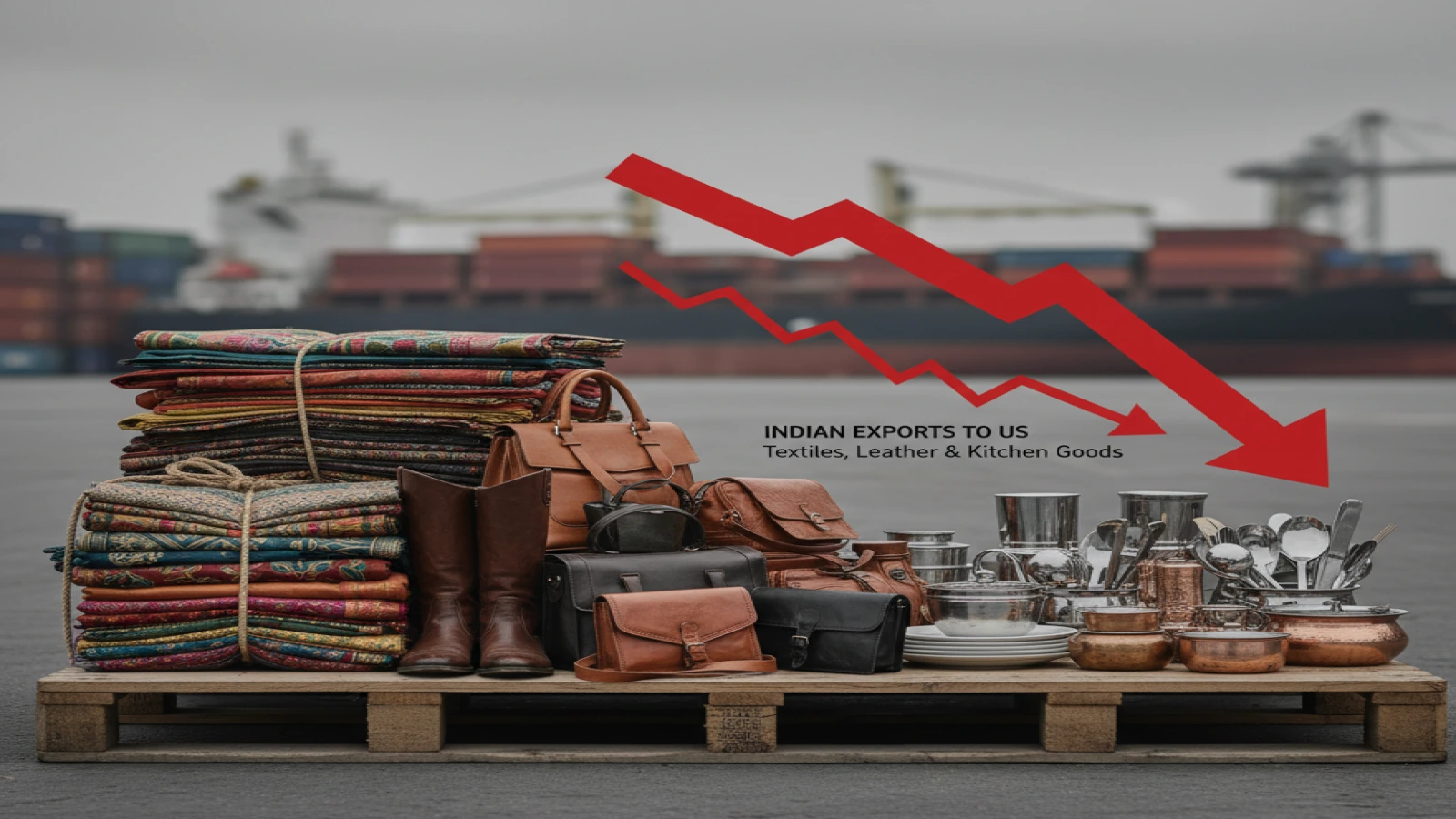
India Textile Industry 2025 Review: How US Tariffs Hit Exports, and the Road to Recovery...view more
1.webp)


1.webp)


1.webp)





1.webp)



1.webp)


1.webp)


1.webp)
1.webp)

Europe’s Textile Sector Alarms as Ultra-Fast Fashion Firms Partner With Postal Operators...view more

1.webp)
1.webp)

1.webp)

.webp)



1.webp)

1.webp)










1.webp)








.webp)



1.webp)


1.webp)

1.webp)


Indorama Ventures Pioneers Scalable Bio-Based PET Fibers for a Low-Carbon Textile Future...view more



Carrington Textiles Introduces Defence Stock Range for Faster Access to Military Fabrics...view more







1.webp)


1.webp)
1.webp)
































.png)




.jpg)
.jpg)
.jpg)


1.jpeg)