

Surat Textile Payment Crisis: FOSTTA to Publicly List Defaulters
Share Post
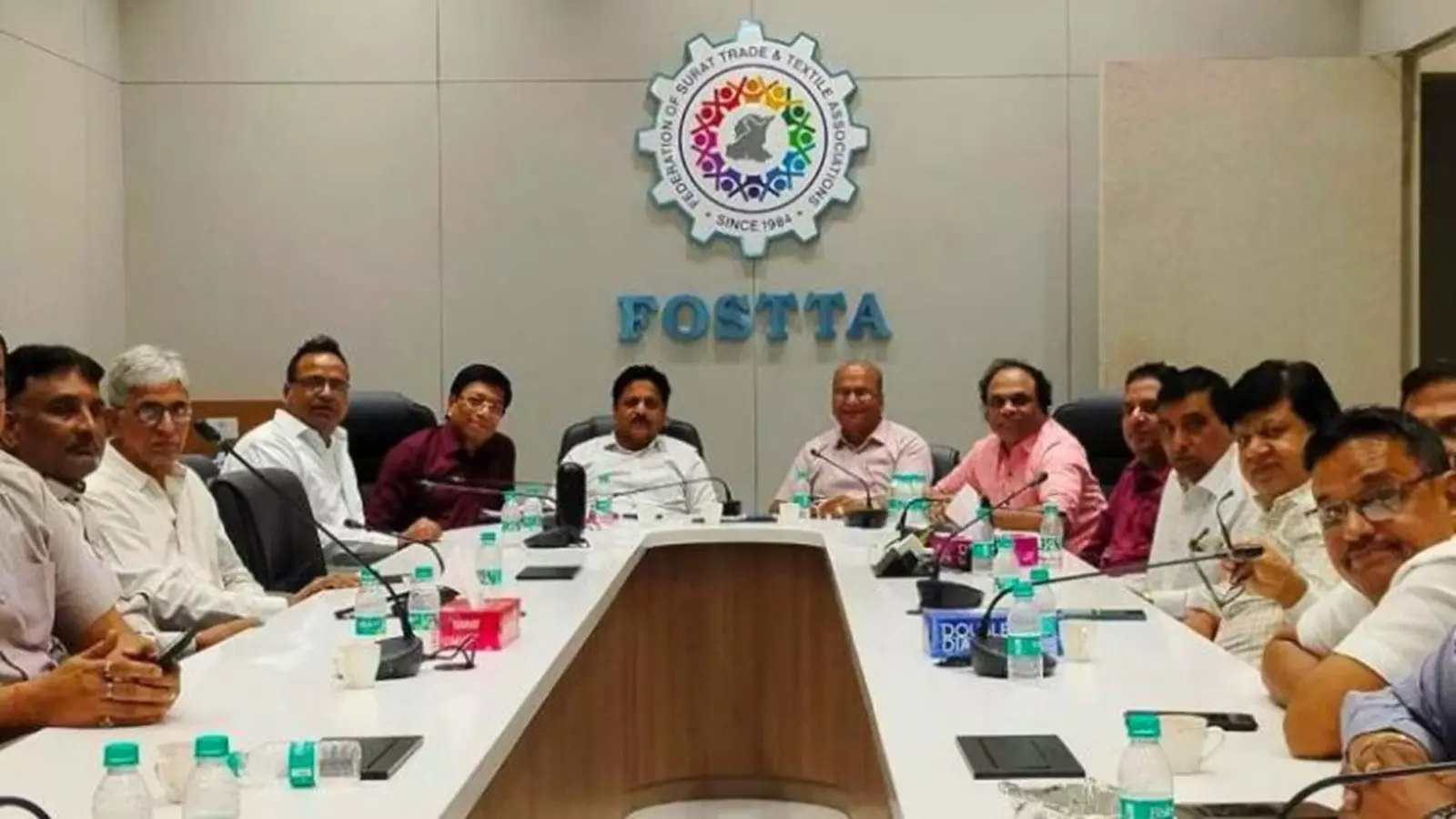
In a significant move to address the deepening payment crisis in the textile trade, the Federation of Surat Textile Traders Associations (FOSTTA) has announced that it will publicly name and expose textile distributors who fail to clear dues beyond the agreed credit period. The decision comes amid growing concerns over delayed payments and unsold returned goods that are affecting cash flows for traders in Gujarat’s leading textile hub.
The announcement was made at a recent FOSTTA Forum meeting in Surat, where industry representatives discussed the ongoing slowdown in the textile market and the surge in payment defaults by distributors. Under the proposed action plan, details of defaulting distributors who exceed the 180-day credit period will be published on the FOSTTA mobile app and circulated across member networks to increase transparency and accountability.
Rising Payment Defaults and Trader Concerns
Traders have long warned that delayed payments from distributors are putting micro, small and medium textile businesses under strain, especially when goods returned after extended credit periods are often out of fashion or damaged, resulting in heavy financial losses for sellers. Kailash Hakim, representing the FOSTTA Forum, noted that the current credit structure has led to mounting receivables and eroded trader confidence.
To strengthen ethical business conduct, FOSTTA plans to verify default claims before listing names publicly, ensuring that only confirmed cases are highlighted. The federation believes that public disclosure will exert psychological pressure on defaulters and encourage faster payment settlements.
Proposed Policy Changes
In addition to naming defaulters, the forum is contemplating new industry guidelines to prevent future payment bottlenecks, including:
-
Limiting credit periods to a maximum of 70 days, significantly shorter than the previously used 180-day terms.
-
Restricting the return of goods to within 30 days of dispatch, reducing the risk of traders receiving outdated or unsellable stock.
If adopted, these reforms could reshape the credit ecosystem in Surat’s textile markets, making payment cycles more predictable and reducing the financial burden on small traders.
Industry Impact
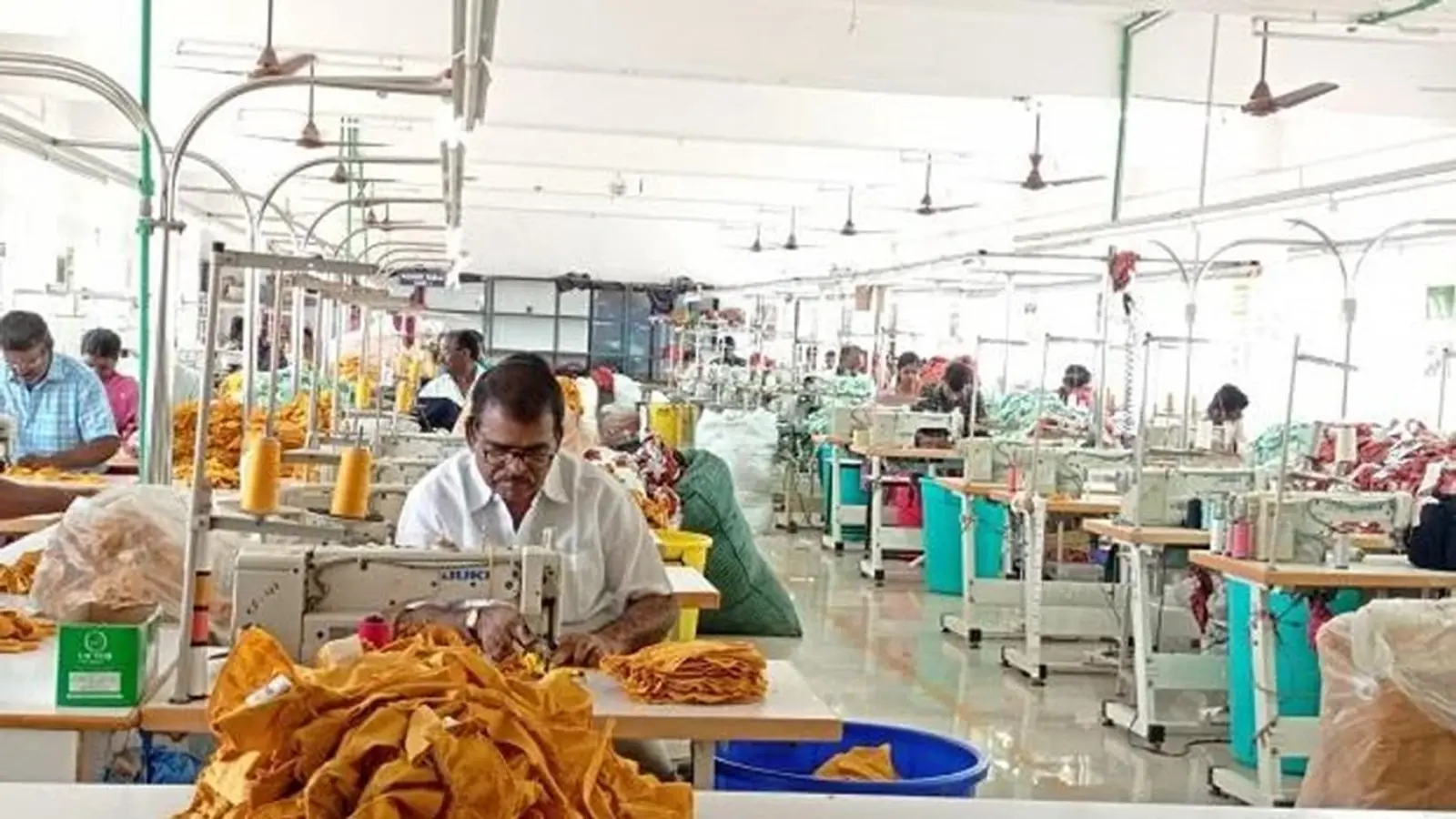
Surat is one of India’s largest textile hubs, with a dense network of power looms, processing units, and distribution channels that collectively employ millions and contribute substantially to the regional economy.
However, the sector has faced challenges in recent years stemming from sluggish demand, rising defaults, and tightened credit terms, prompting stakeholders to seek stronger trade practices and financial safeguards.
By targeting payment irregularities and pushing for clearer rules, FOSTTA aims to restore confidence in trade relationships and fortify Surat’s position as a vital textile marketplace in India.
10:18 AM, Jan 10


.webp)
Industry Update


1.webp)
1.webp)
1.webp)


1.webp)

1.webp)
India’s Textile Exports Slip in FY26, Exposing Structural Gaps in Global Competitiveness...view more

1.webp)
1.webp)
1.webp)
.webp)

1.webp)
1.webp)
1.webp)
1.webp)

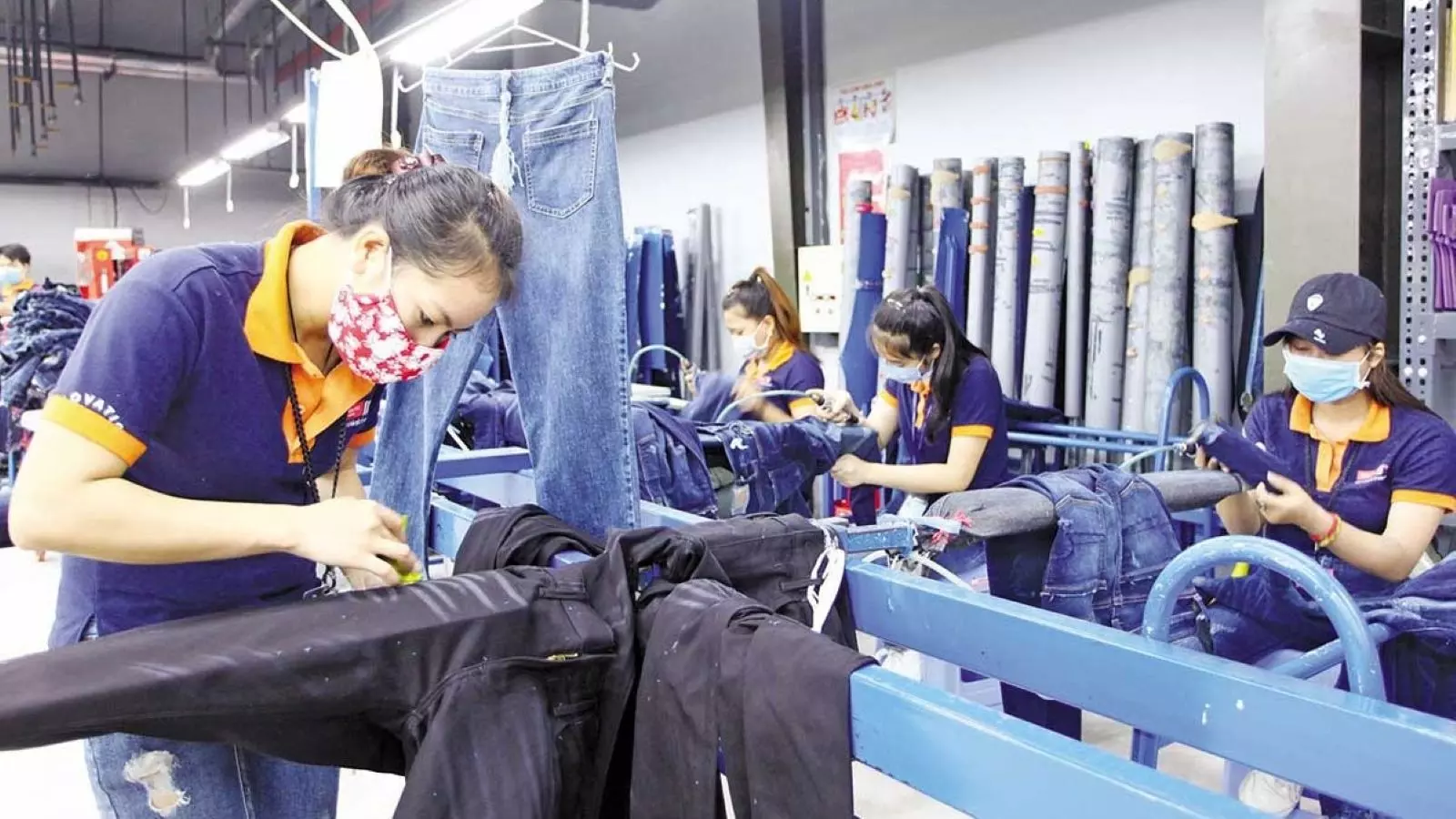
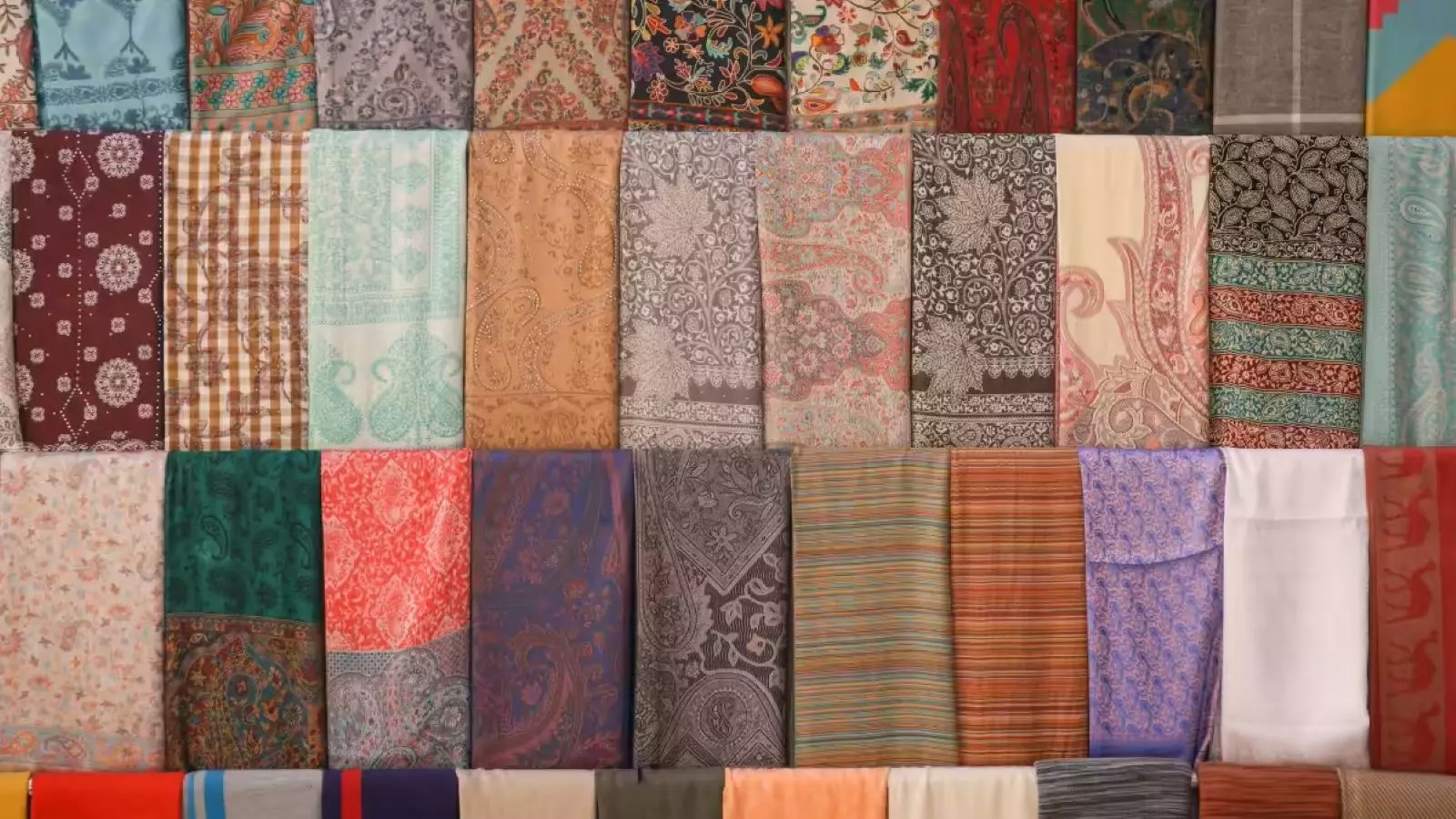
India Textile Exports Fall in FY26: Apparel Shows Slight Strength Amid Global Challenges...view more
1.webp)

1.webp)

1.webp)
1.webp)
1.webp)
1.webp)
1.webp)


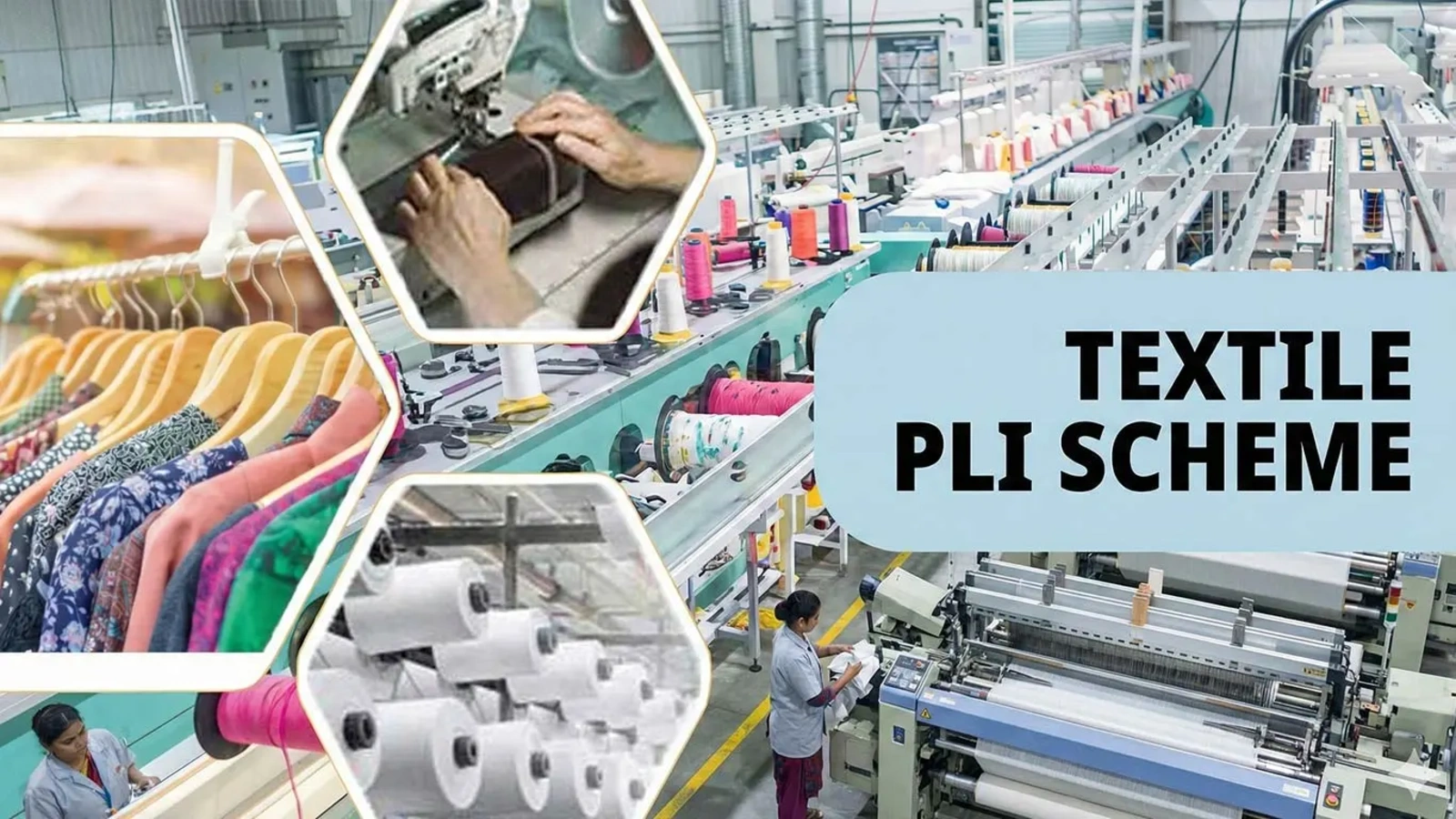
India Expands ₹10,683 Crore Textile PLI Scheme to Boost MMF and Technical Textile Growth...view more

1.webp)
1.webp)
1.webp)
1.webp)


1.webp)



1.webp)


1.webp)


1.webp)


1.webp)



1.webp)
1.webp)
Punjab Eyes Green Transformation of Textile Processing Clusters to Attract Global Brands...view more


1.webp)



1.webp)


.webp)
1.webp)
1.webp)

.webp)
1.webp)
1.webp)


1.webp)
1.webp)
1.webp)
1.webp)




1.webp)
1.webp)
1.webp)

1.webp)



1.webp)


1.webp)
1.webp)
.webp)


1.webp)


1.webp)

1.webp)

1.webp)


1.webp)


1.webp)
1.webp)
1.webp)


Kolkata Set to Become Textile Sourcing Hub as YARNEX and TEXINDIA Return in January 2026...view more
1.webp)
1.webp)

1.webp)


1.webp)


1.webp)
1.webp)
1.webp)


1.webp)
1.webp)
1.webp)

1.webp)


1.webp)


1.webp)
1.webp)


India Textile Industry 2025 Review: How US Tariffs Hit Exports, and the Road to Recovery...view more
1.webp)


1.webp)


1.webp)



1.webp)



1.webp)


1.webp)


1.webp)
1.webp)

Europe’s Textile Sector Alarms as Ultra-Fast Fashion Firms Partner With Postal Operators...view more

1.webp)

1.webp)

1.webp)

.webp)



1.webp)

1.webp)










1.webp)





.webp)



1.webp)


1.webp)

1.webp)


Indorama Ventures Pioneers Scalable Bio-Based PET Fibers for a Low-Carbon Textile Future...view more



Carrington Textiles Introduces Defence Stock Range for Faster Access to Military Fabrics...view more







1.webp)


1.webp)
1.webp)





































.png)




.jpg)
.jpg)
.jpg)


1.jpeg)