

Vietnam Textile Industry Remains Cautious Despite Order Recovery in 2026
Share Post
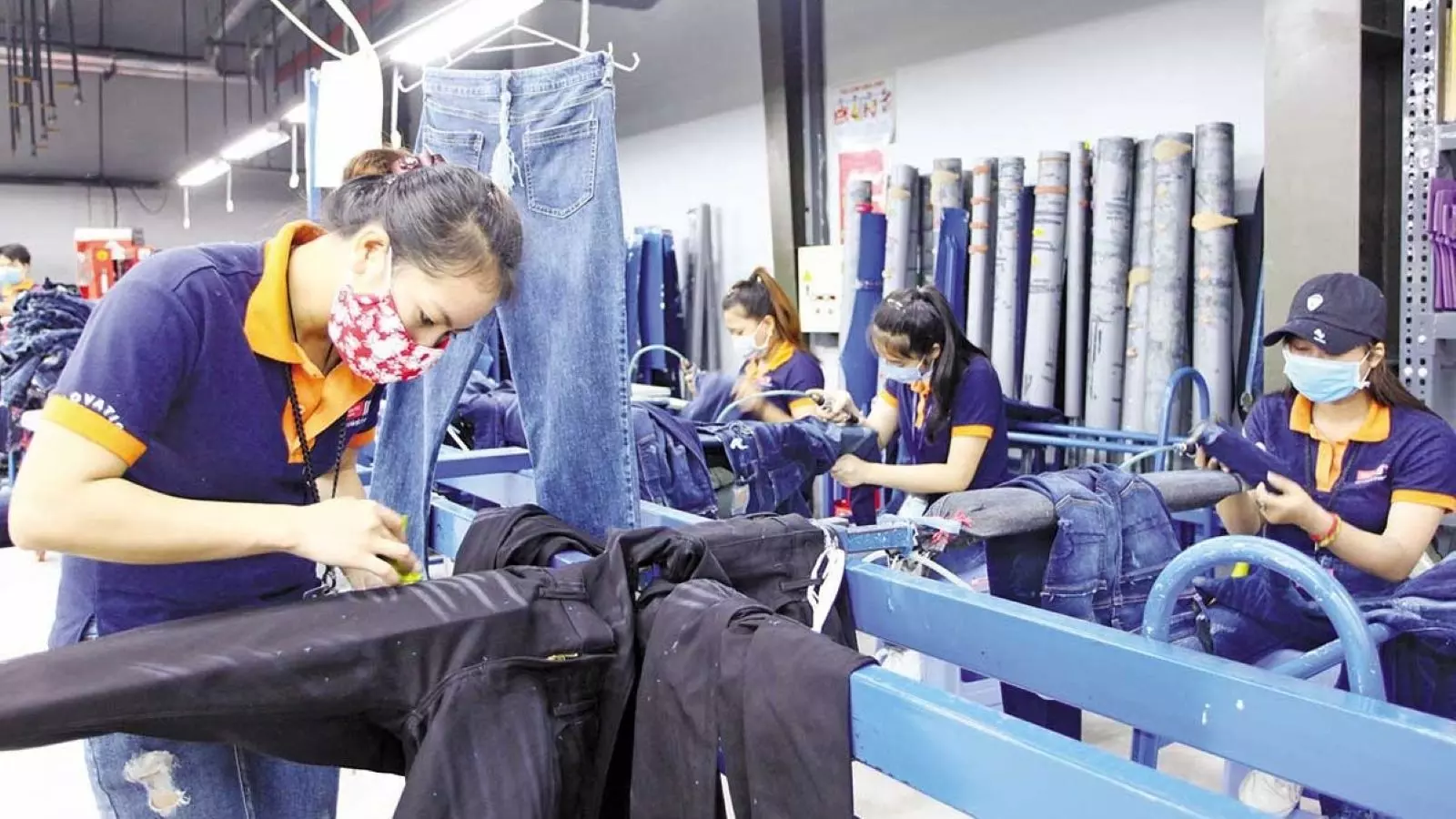
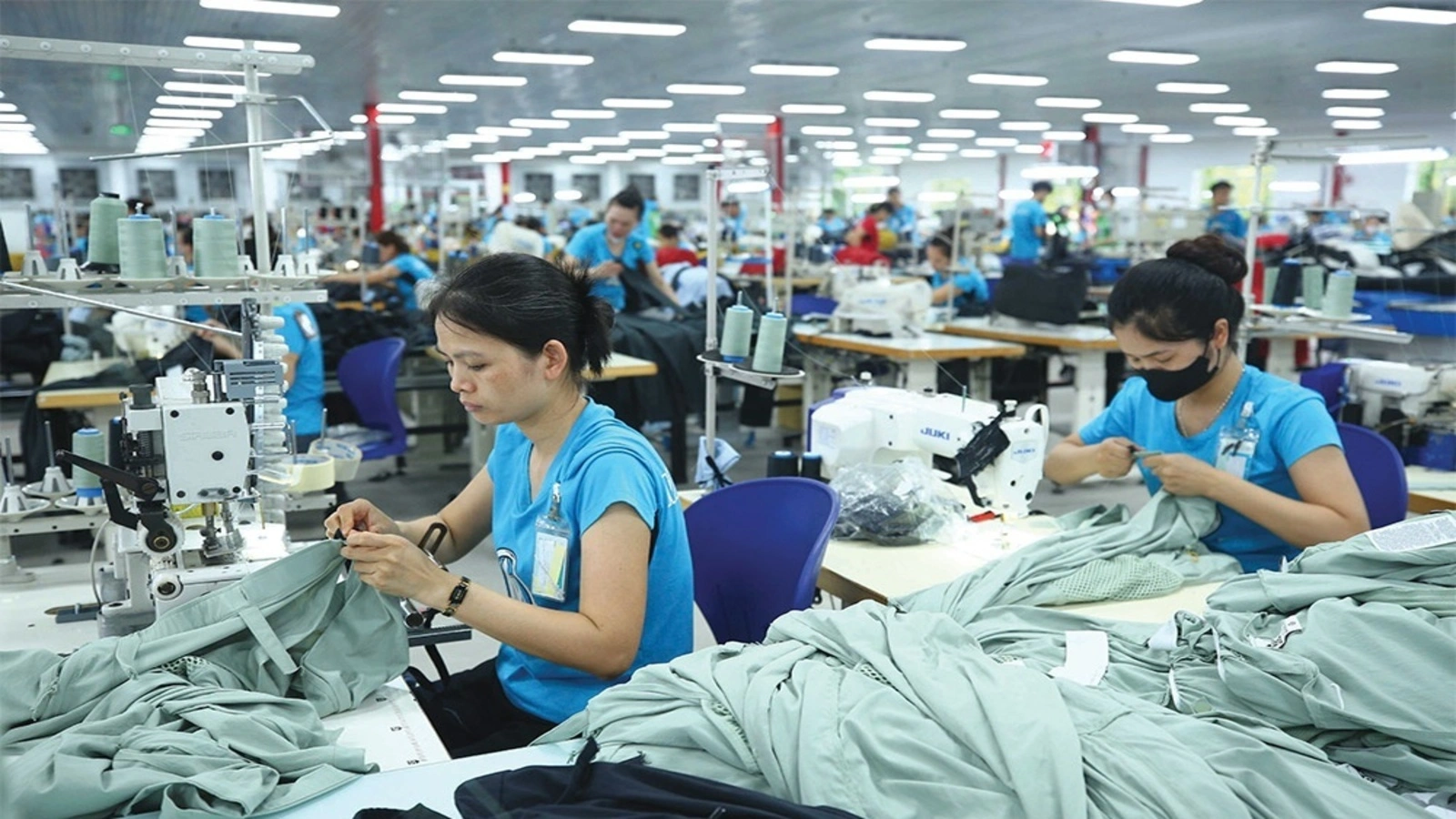
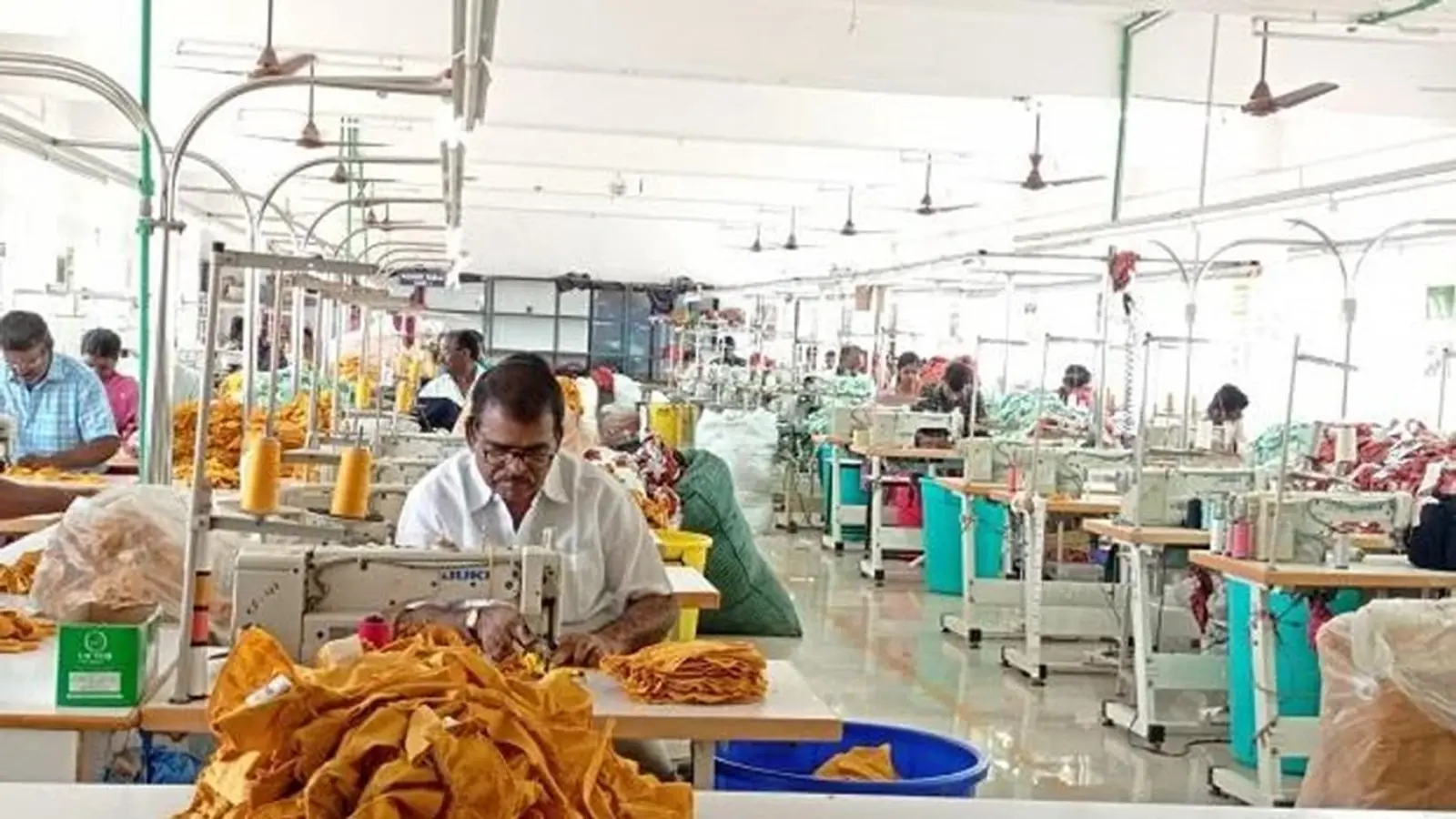
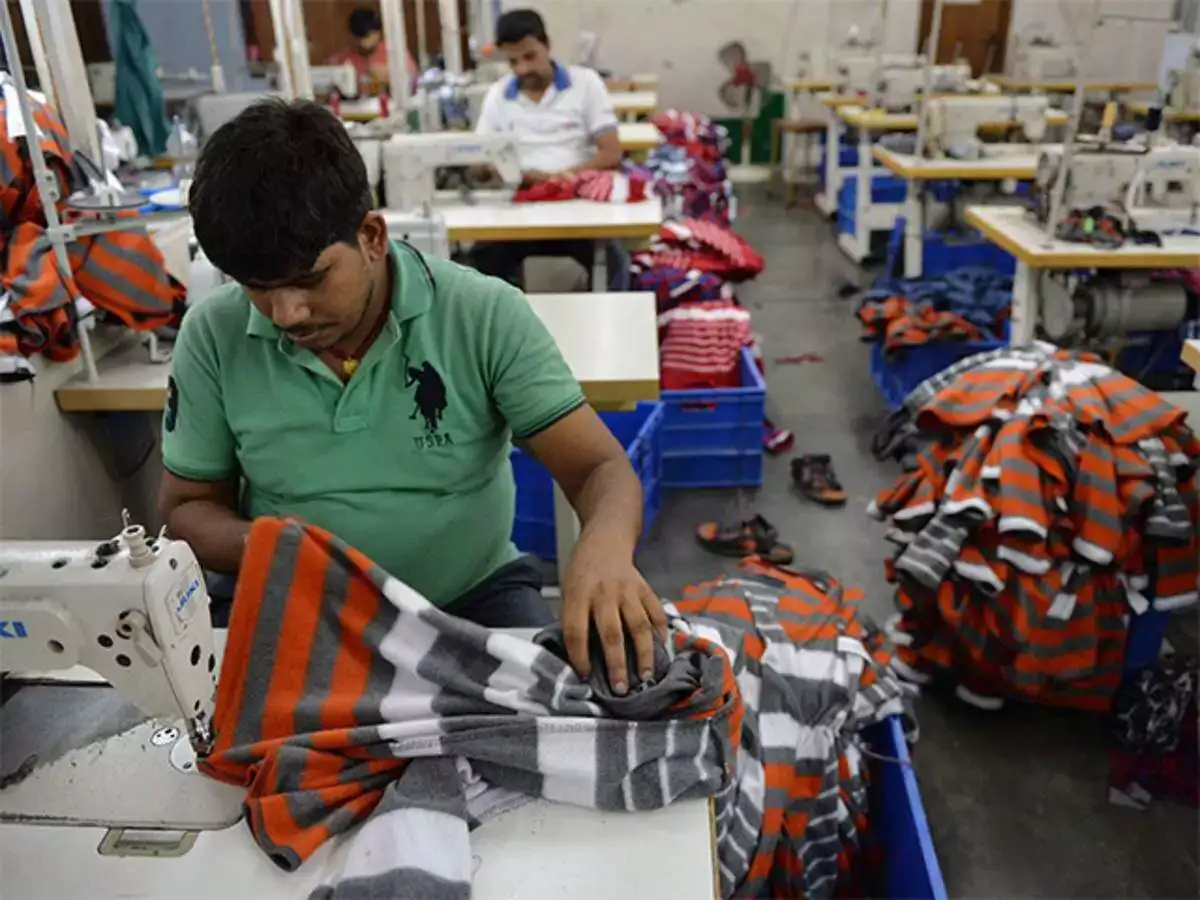
Vietnam’s textile and garment industry is showing signs of recovery in orders, but businesses are still moving carefully due to ongoing global uncertainties. Even though demand has started to improve after a slow period, companies are not fully confident about long-term growth. Many manufacturers are receiving new orders, but the volume is still unstable and not as strong as expected.
One of the key concerns for the industry is that buyers are placing smaller and short-term orders instead of large, long-term commitments. This change in buying behavior reflects global economic uncertainty, where international brands are trying to reduce risk and avoid overstocking. As a result, Vietnamese companies are finding it difficult to plan production efficiently and ensure stable revenue.
At the same time, rising production costs continue to put pressure on businesses. Expenses related to raw materials, labor, and logistics have increased significantly. Global issues, including geopolitical tensions and disruptions in shipping routes, have further added to costs and delays. For example, longer shipping routes and higher freight charges have made exports more expensive and less predictable.
Another challenge is the increasing competition from other textile-producing countries such as Bangladesh, India, and China. These countries often offer lower production costs or better trade advantages, making it harder for Vietnam to stay competitive in price-sensitive markets. Even though Vietnam has strong manufacturing capabilities, cost pressure is forcing companies to rethink their strategies.
Despite these challenges, the industry is trying to adapt by improving flexibility and efficiency. Many companies are accepting smaller orders and adjusting production schedules quickly to meet changing demand. Businesses are also exploring new markets to reduce dependence on traditional buyers like the United States and Europe.
Experts believe that while the situation is improving, the industry will remain cautious in the near future. Companies are focusing more on cost control, innovation, and maintaining relationships with buyers rather than aggressive expansion. The recovery is expected to be gradual, and long-term stability will depend on global economic conditions and trade developments.
Overall, Vietnam’s textile and garment sector is in a transition phase where opportunities are returning, but uncertainty still remains. The ability of companies to adapt to changing market conditions will play a key role in shaping the industry’s growth in 2026.
05:20 PM, Apr 16
Other Related Topics
.webp)
.webp)
Industry Update
India Textile Exports Fall in FY26: Apparel Shows Slight Strength Amid Global Challenges...view more
1.webp)

1.webp)

1.webp)
1.webp)
1.webp)

1.webp)
1.webp)


India Expands ₹10,683 Crore Textile PLI Scheme to Boost MMF and Technical Textile Growth...view more

1.webp)
1.webp)
1.webp)
1.webp)


1.webp)



1.webp)


1.webp)


1.webp)


1.webp)



1.webp)
1.webp)
Punjab Eyes Green Transformation of Textile Processing Clusters to Attract Global Brands...view more


1.webp)



1.webp)


.webp)
1.webp)
1.webp)

.webp)
1.webp)
1.webp)


1.webp)
1.webp)
1.webp)
1.webp)



1.webp)
1.webp)
1.webp)

1.webp)


1.webp)


1.webp)
1.webp)
.webp)


1.webp)


1.webp)

1.webp)

1.webp)


1.webp)


1.webp)
1.webp)
1.webp)


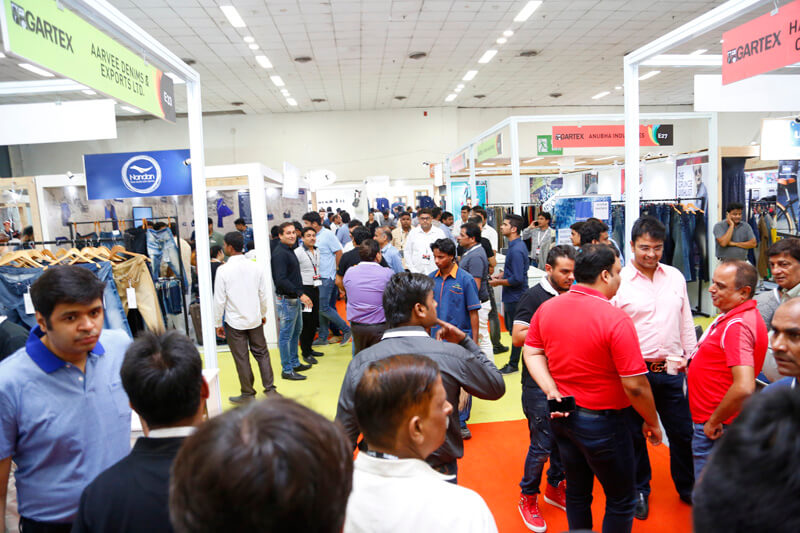
Kolkata Set to Become Textile Sourcing Hub as YARNEX and TEXINDIA Return in January 2026...view more
1.webp)
1.webp)

1.webp)


1.webp)


1.webp)
1.webp)
1.webp)


1.webp)
1.webp)
1.webp)

1.webp)


1.webp)


1.webp)
1.webp)


India Textile Industry 2025 Review: How US Tariffs Hit Exports, and the Road to Recovery...view more
1.webp)


1.webp)


1.webp)




1.webp)



1.webp)


1.webp)


1.webp)
1.webp)

Europe’s Textile Sector Alarms as Ultra-Fast Fashion Firms Partner With Postal Operators...view more

1.webp)
1.webp)

1.webp)

.webp)



1.webp)

1.webp)








1.webp)






.webp)



1.webp)


1.webp)

1.webp)


Indorama Ventures Pioneers Scalable Bio-Based PET Fibers for a Low-Carbon Textile Future...view more



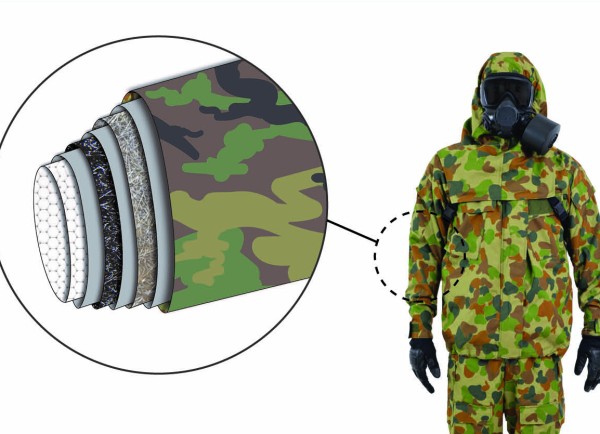
Carrington Textiles Introduces Defence Stock Range for Faster Access to Military Fabrics...view more







1.webp)


1.webp)
1.webp)



































.png)




.jpg)
.jpg)
.jpg)


1.jpeg)