

Viscose and Lyocell Move Beyond Forest Pulp Dependence

Share Post
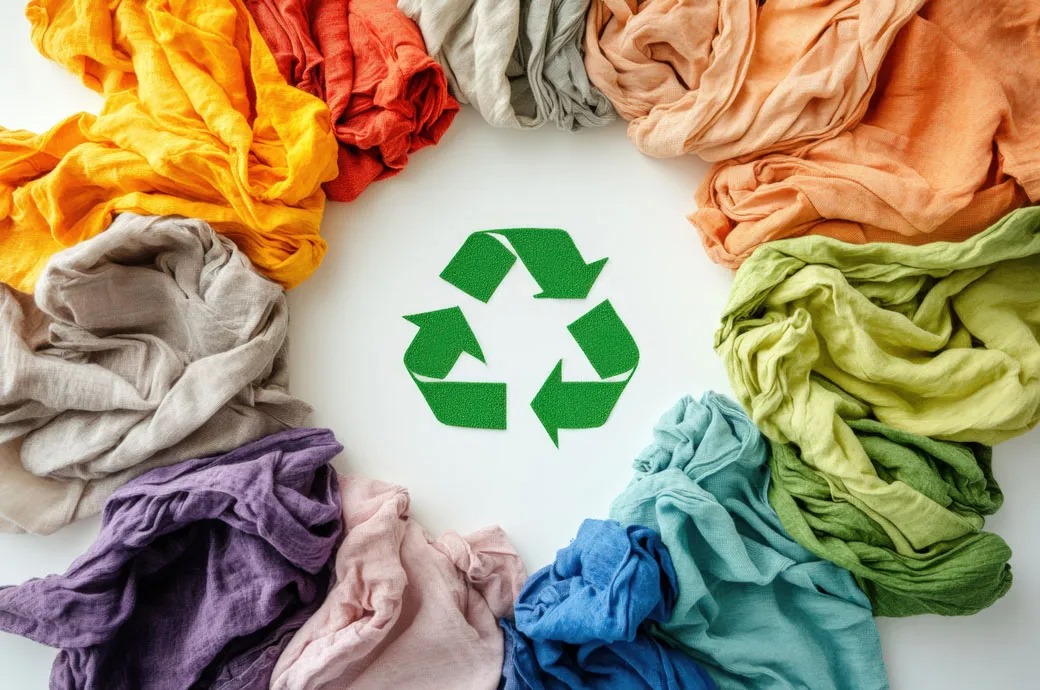
A quiet but powerful transformation is unfolding within the man made cellulosic fibre industry, reshaping how viscose and lyocell are sourced and produced. Ten years after the launch of the first Hot Button Report, the sector now stands at a turning point where dependence on forest pulp is steadily giving way to more responsible and innovative alternatives. What once appeared to be a distant ambition has become a visible reality.
Reflecting on the decade long journey, Canopy founder and executive director Nicole Rycroft described the shift as deeper and faster than many had imagined. For years, the belief persisted that supply chains evolve only over long timelines, requiring decades of incremental change. Yet the progress highlighted in the tenth edition of the Hot Button Report challenges that assumption, showing how focused action and collaboration can accelerate transformation.
From Caution to Commitment
The viscose and lyocell sector has responded to growing environmental awareness with meaningful changes in sourcing practices. Producers are increasingly distancing themselves from high risk forest inputs and exploring alternative feedstocks that reduce pressure on ancient and endangered forests. This evolution signals a broader commitment to environmental responsibility within fashion and textile value chains.
According to Rycroft, the pace of change has been striking. What was once discussed as a long term goal is now unfolding in real time, driven by clear benchmarks, transparent reporting, and collective accountability. The Hot Button framework has played a central role in motivating suppliers and brands to move faster and think differently about raw material origins.
A Blueprint for Future Fibres
The progress seen in man-made cellulosic fibres offers a blueprint for other material sectors seeking sustainable transformation. It demonstrates that with the right pressure points and shared vision, supply chains can adapt far more rapidly than expected.
As viscose and lyocell continue this transition, the industry sends a strong signal that environmental progress and commercial viability can advance together, setting a new standard for responsible fibre production worldwide.
03:30 PM, Dec 16
Other Related Topics
.webp)
.webp)

.webp)
US–Bangladesh Tariff Pact Brings Fresh Momentum to Garment Exports
04:08 PM, Feb 10.webp)
Industry Update
1.webp)
1.webp)

1.webp)
1.webp)



1.webp)
1.webp)
1.webp)

1.webp)


1.webp)


1.webp)
1.webp)
.webp)


1.webp)


1.webp)

1.webp)

1.webp)


1.webp)


1.webp)
1.webp)
1.webp)


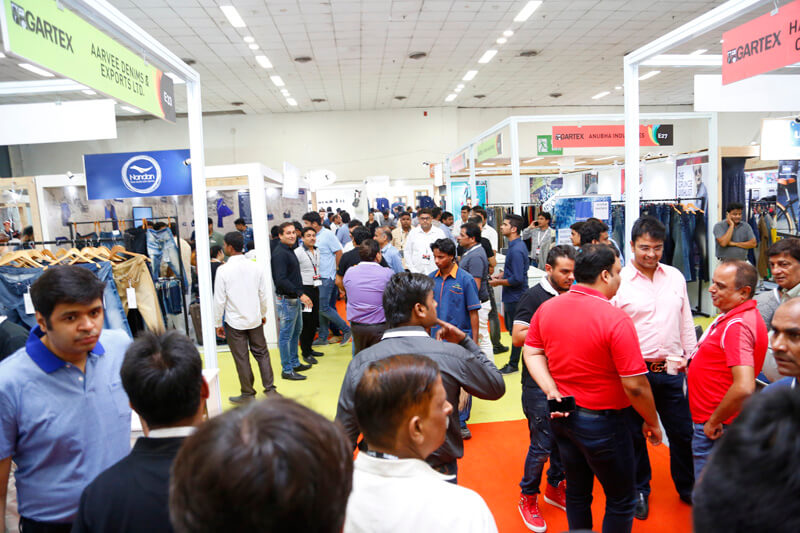
Kolkata Set to Become Textile Sourcing Hub as YARNEX and TEXINDIA Return in January 2026...view more
1.webp)
1.webp)

1.webp)


1.webp)


1.webp)
1.webp)
1.webp)


1.webp)
1.webp)
1.webp)

1.webp)


1.webp)


1.webp)
1.webp)


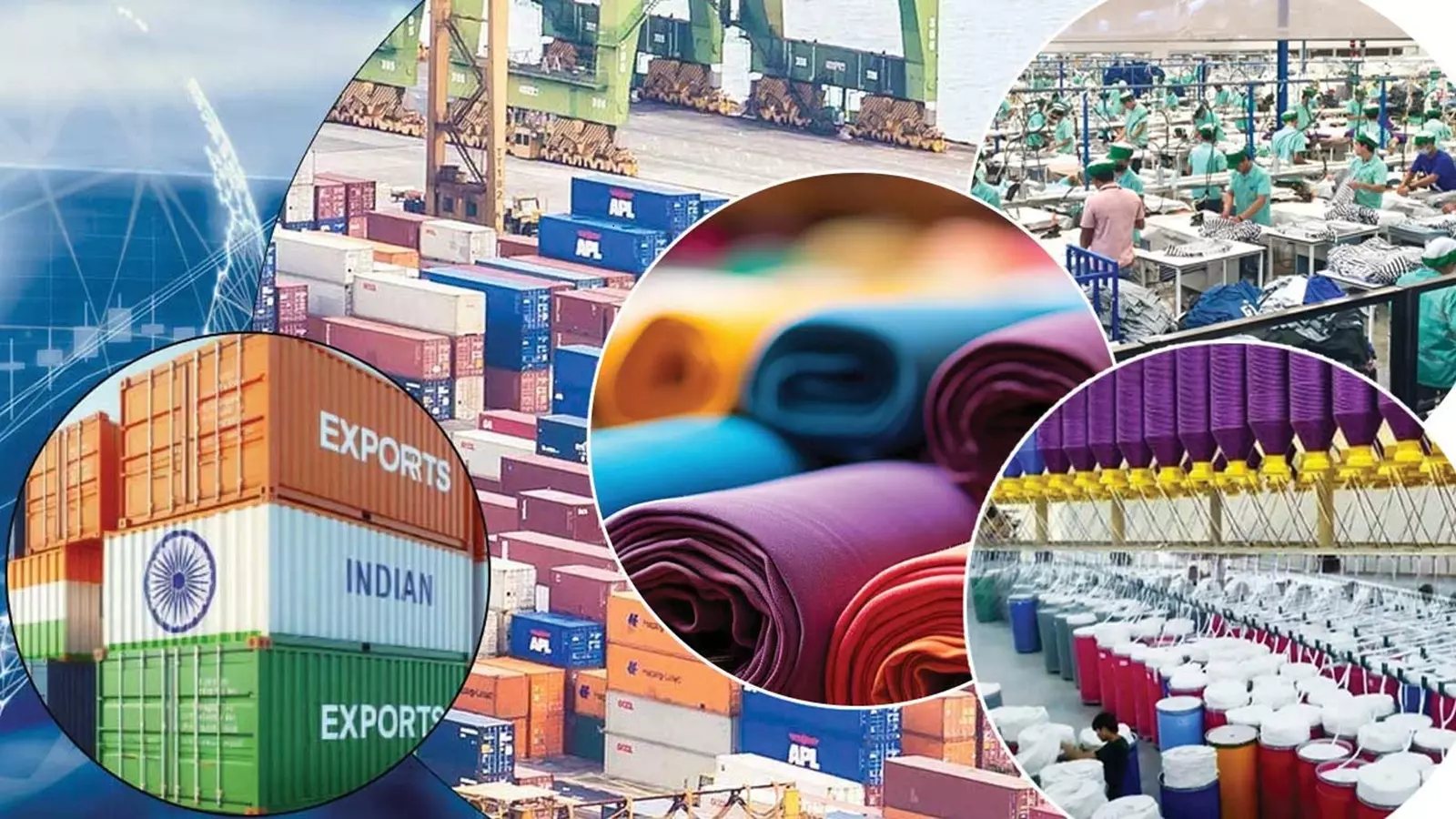
India Textile Industry 2025 Review: How US Tariffs Hit Exports, and the Road to Recovery...view more
1.webp)


1.webp)


1.webp)




1.webp)


1.webp)


1.webp)


1.webp)
1.webp)

Europe’s Textile Sector Alarms as Ultra-Fast Fashion Firms Partner With Postal Operators...view more

1.webp)
1.webp)

1.webp)

.webp)


1.webp)

1.webp)







1.webp)



.webp)



1.webp)


1.webp)

1.webp)


Indorama Ventures Pioneers Scalable Bio-Based PET Fibers for a Low-Carbon Textile Future...view more



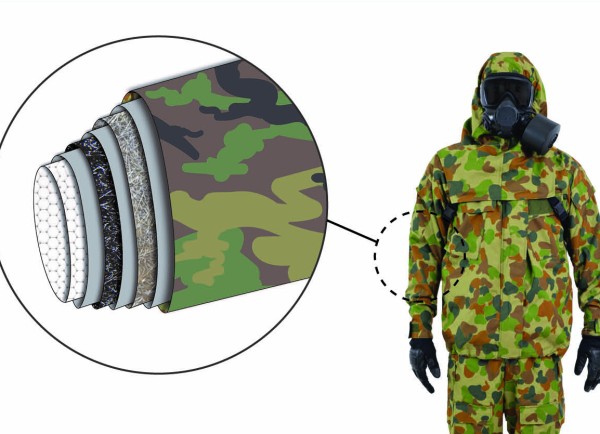
Carrington Textiles Introduces Defence Stock Range for Faster Access to Military Fabrics...view more






1.webp)


1.webp)
1.webp)
































.png)




.jpg)
.jpg)
.jpg)


1.jpeg)